
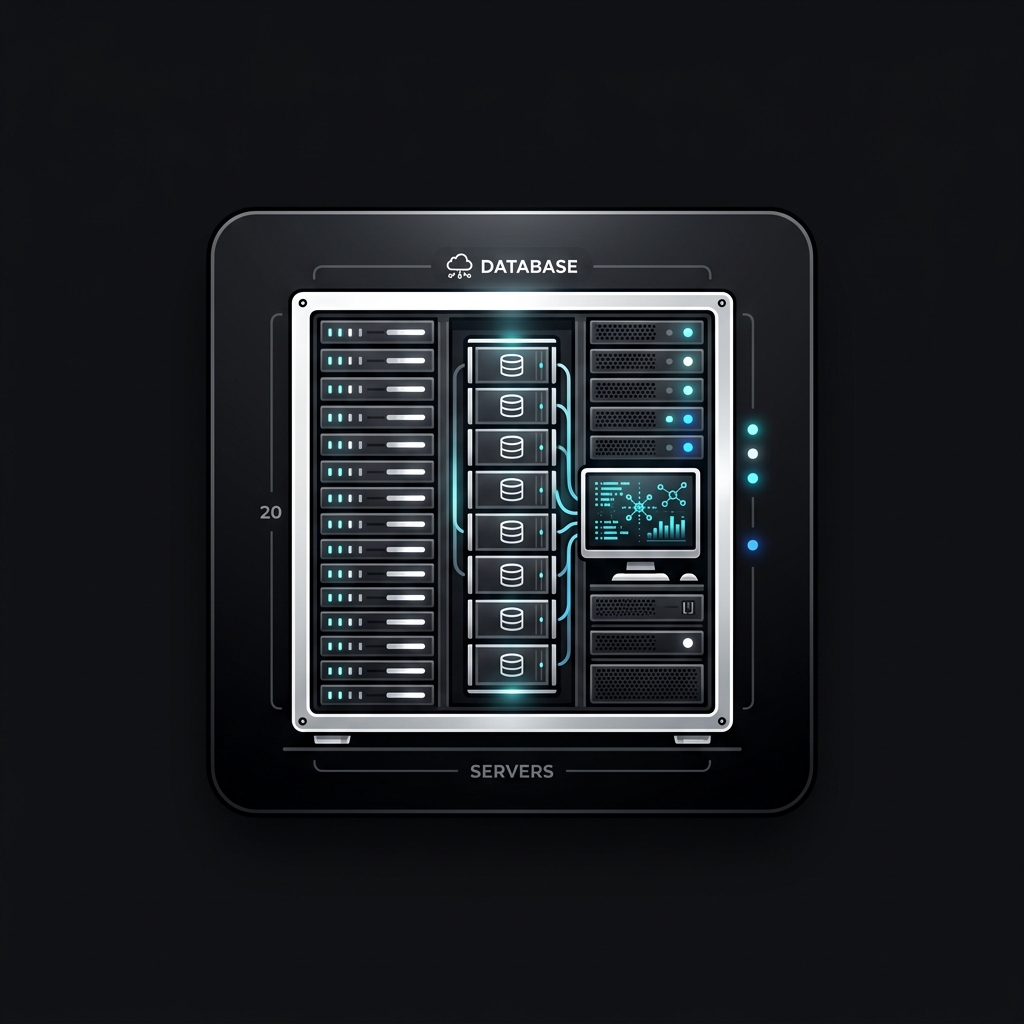
Operating hosting control panels like Cloudways on Linux servers simplifies resource allocation. Configuring modules like File Manager zip operations is essential for optimizing system throughput, user access, and email security.
Core Architecture & System Layout
To configure administrative parameters, users access the server command line via terminal console or log into the web browser interface running on port 443, which manages the local Nginx/Apache/Varnish services. Here is the step-by-step procedure.
Step-by-Step Configuration Guide
- Connect to your fresh VPS or Dedicated Server running Debian via terminal console.
- Ensure the system environment is updated by running: `<code>sudo apt update && sudo apt upgrade -y</code>` (or `Debian` equivalent).
- Download the official installation script for Cloudways using `curl` or `wget`.
- Run the installer script with elevated privileges: run `<code>sudo bash install.sh</code>` (or panel-specific bootstrap command).
- Allow the default port `443` and web traffic through the server firewall using `ufw` or `firewalld`.
- Once installation completes, record the temporary login credentials and administrative links generated in the terminal.
Administrative Benefits & Context
Installing a control panel like Cloudways simplifies the deployment of Nginx/Apache/Varnish and user domains, converting raw command-line administration into a visual interface.
Warning & Best Practices Checklist
⚠️ Control panels must be installed on a fresh, clean operating system installation. Installing on a server with pre-configured web services will cause database and configuration conflicts.
Community Unlock Required
To join the discussion, please support us by liking and following our Facebook page first.